
Can a Sports Ball Really Harm a Roof?
Yes, a wayward sports ball can cause damage to roofing materials, especially if it hits the same area repeatedly or is left on the roof for an extended period. In Albion, NY, where recreational space often means kids play catch or shoot hoops near homes, it’s not uncommon to find stray basketballs, soccer balls, or baseballs on the roof after a lively backyard game.
While a single impact may not seem serious, ongoing contact or neglect can lead to costly repairs. Understanding exactly how damage occurs helps residents minimize risk around their homes.
What Kinds of Damage Are Most Common?
The most frequent issues caused by sports balls are dislodged, cracked, or punctured shingles, bent flashing, and gutter problems. Here’s how:
- Asphalt Shingles: Repeated impacts, especially from harder balls like baseballs or even footballs when kicked with force, can loosen, crack, or remove shingles. Asphalt shingles, the most common roofing material in the city, become more brittle with age and temperature shifts, making them more susceptible.
- Flashing and Vents: Flashing, which seals edges and valleys, can bend or detach from forceful impacts. Vents near the roofline can also become misaligned or cracked.
- Gutters and Downspouts: Balls frequently lodge in gutters, creating blockages. Weight from stuck balls—especially if soaked by rain or snow—can pull gutters away from the home or cause water to pool, leading to fascia and soffit rot.
- Granule Loss: On older roofs, even one bounced ball can knock loose protective granules, accelerating wear.
Though roofs are built to withstand the elements, they aren’t designed to absorb repeated, dynamic hits at close range.
Why Does Albion’s Climate Matter for Roof Damage?
Albion’s humid continental climate means that roofs face wide temperature swings, seasonal moisture, and occasional freeze-thaw cycles. Here’s why that matters:
- Shingles age faster: Sun, rain, wind, and snow stress materials. Impact from a ball after a heat wave or cold snap is more likely to crack or dent them.
- Snow and ice risks: If a ball hides under winter snow, it creates a pressure point that concentrates thaw and meltwater in one spot, potentially leading to small leaks invisible until spring.
- Wind patterns: Gusty weather can push balls onto upper roof sections or into gutters, often out of sight until a problem arises.
In towns like Albion, where detached and semi-detached homes dominate and yards are common, outdoor play is normal—but so is the inconvenience of balls winding up in hard-to-reach places.
What Should Residents Do If a Ball Lands on the Roof?
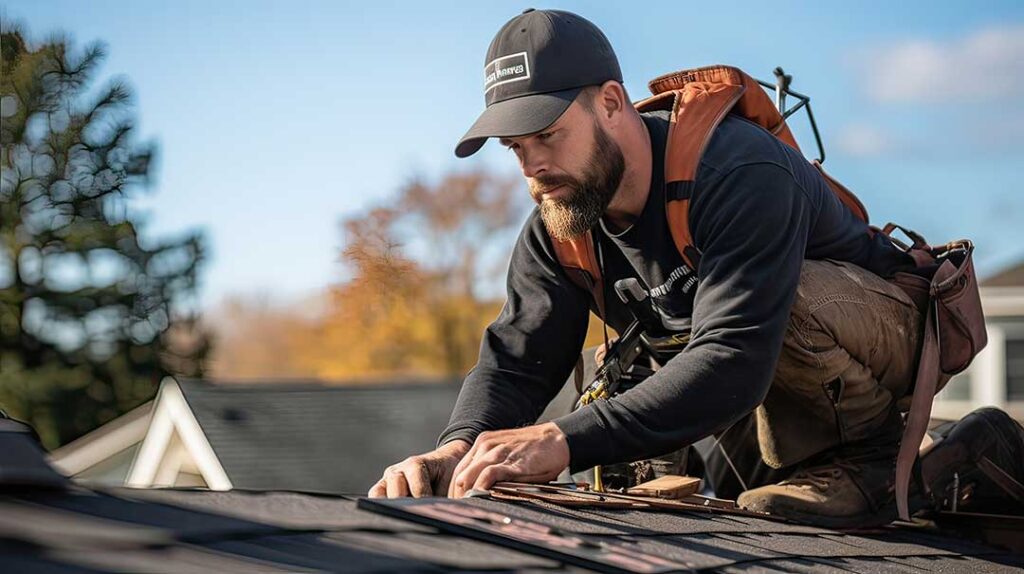
The safest response is patience and caution. Never climb onto a roof without proper safety measures, especially during wet, icy, or windy conditions common in Albion’s seasons. If the ball is easy to retrieve using a long pole or broom from a window, this can prevent additional problems.
- If the ball is stuck in a gutter, check for water flow during the next rain and look for blockages.
- After removal, inspect from the ground for missing, curled, or cracked shingles; visible granule loss; or dented vent pipes.
- If a roof is steep, higher than one story, or there is any visible damage, trained help may be necessary for both safety and to address the issue fully.
What If a Ball Is Left on the Roof Over Time?
Leaving a sports ball—particularly those made of rubber, synthetic, or leather—on the roof for a prolonged period can have surprising effects:
- Trapped moisture: Rainwater can collect under the ball, keeping that part of the roof wet and promoting moss, algae, or mold growth, especially on the shaded sides of homes in Albion.
- Freeze-thaw cycle: In winter, trapped meltwater under or beside a ball expands as it refreezes, prying apart shingle layers or flashing seams.
- Decomposition: Some materials can stain or degrade shingles, especially if the ball contains dye or if organic matter accumulates around it (leaves, dirt).
Routine checks after stormy weekends or high-wind days help homeowners spot and remove any stray objects.
Are There Misconceptions About this Type of Damage?
Many people assume only severe impacts—like a heavy branch or hail—can harm a roof, but repeated or localized strikes from smaller objects can be equally problematic over time.
Another common misunderstanding is thinking that leaving a lightweight or soft ball (like a foam football) poses no risk. While immediate impact is minor, long-term moisture issues can still occur, especially if debris builds up around the ball.
It’s also easy to overlook the importance of clear gutters, especially in late autumn when leaves and balls together can form blockages that quickly escalate to water damage in freeze-prone months.
How Can Residents Minimize Future Risks?
Simple habits shield roofs from accidental harm:
- Redirect games away from rooflines whenever possible
- Set boundaries for throwing or kicking balls near homes, especially for younger children
- After backyard play, check the ground for missing balls—what’s not in the yard may be on the roof
- After storms, visually inspect roof and gutters from the ground where visibility allows
- If new damage appears or if stuck balls cannot be safely retrieved, consult someone with the right equipment and experience
Developing these routines keeps repairs to a minimum and extends the lifespan of household roofs, especially in communities like Albion where weather, play, and property styles make this kind of risk a frequent reality.
