

Why Does Rain Sound Louder on Some Roofs?
Rain noise is most noticeable on certain roof types due to material, attic design, and insulation levels. In Albion, NY, where seasonal rainfall can vary from light drizzles to intense storms, many residents notice the difference between a gentle hush and a persistent clatter, especially in older homes or buildings with minimal attic space.
Most noise comes from rain impacting hard surfaces such as metal or thin roofing tiles. The sound then travels directly into living areas, especially if there’s little in the way of attic insulation or if ceilings are low. Understanding the factors at play helps guide the right solutions for quieter, more comfortable interiors.
What Roof Materials Are Quietest in Rain?
Heavier and softer roofing materials tend to muffle rain sound better than thinner or harder ones. For example:
- Asphalt shingles are common in the city and generally quiet, as their layered structure dampens impact noise.
- Clay or concrete tiles also absorb sound well due to their mass and rigidity.
- Metal roofing, popular for its durability, transmits rain noise more readily—especially if installed without a sound-isolating underlayment.
Many homes in this area, particularly those built before the 1970s, use asphalt or wood shingles, which offer moderate sound reduction. Renovations or new builds can intentionally select roofing materials with superior acoustic qualities if quiet is a priority.
Will Adding Insulation Make Rain Quieter Indoors?
Boosting insulation in the attic is one of the most effective ways to reduce rain noise indoors. In Albion’s climate, attic insulation is already valued for energy efficiency and keeping out drafts, but its sound-dampening benefit is sometimes overlooked.
How insulation works for noise:
- Thick layers of fibrous or blown-in insulation absorb sounds before they reach living spaces.
- Insulation also helps block temperature transfers, so increasing it can offer both quieter and more comfortable rooms, especially under sloped ceilings.
For homes with finished attics or limited attic access, adding sound-dampening insulation above ceilings or between joists can be beneficial. Always make sure insulation is installed safely and doesn’t compromise ventilation.
Are There Other Ways to Quiet Metal Roofs?
Metal roofs are known for amplifying the sound of rain unless specifically designed to counteract it. If a metal roof is already installed, there are practical upgrades and tweaks that can help:
- Acoustic underlayment: If the roof is being repaired or replaced, installing a dedicated acoustic or rubberized membrane beneath the metal panels makes a significant difference. These layers cushion the impact and dramatically reduce transmitted sound.
- Structural separation: Creating an insulated air gap between the metal panels and the roof deck (sometimes called a “floating” system) can also lessen noise, though this is mostly possible during major renovations.
- Attic modifications: Installing additional insulation directly under the roof deck or over the ceiling below can bring substantial results.
For those noticing an uptick in rain noise after switching to a metal roof, investigating attic insulation and checking for gaps around vents or skylights can also reveal easy fixes.
Can Ceilings Help Block Rain Noise?
Ceiling construction inside a home makes a noticeable difference in how much rain noise comes through. Unfinished attics, thin drywall, or even cathedral ceilings can all increase exposure to outside sounds.
Common approaches to reduce rain noise via the ceiling include:
- Upgrading to double-layered drywall for greater mass and sound blocking
- Adding acoustic tiles or panels to finished attic spaces
- Ensuring ceiling seams and light fixture openings are properly sealed
For attic chambres converted into bedrooms or offices, heavier ceiling construction is key. Carefully sealing and densifying these areas can turn a previously noisy room into a quieter, more relaxing space.
Are Skylights and Roof Windows a Source of Extra Noise?
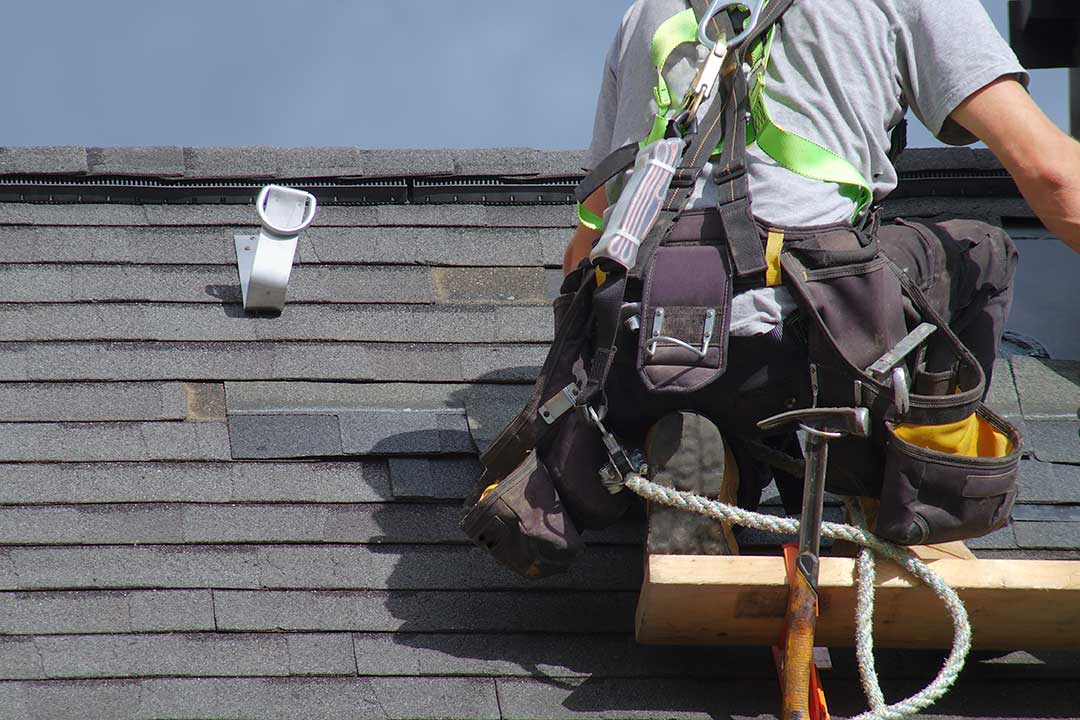
Skylights and roof windows often magnify the sound of rain, as their surfaces are designed to shed water efficiently but offer little resistance to sound waves. In neighborhoods in and around Albion, these features are prized for natural light but sometimes introduce unwanted noise.
Options to reduce noise from skylights include:
- Upgrading to double- or triple-glazed glass, which better insulates against both temperature and sound.
- Installing removable interior shades or insulated blinds that add a layer of damping
- Checking for proper flashing and seals, as leaks or gaps can increase sound transmission
Simply sealing around the frame or using more robust window coverings often makes a noticeable difference in affected rooms.
Are There Quick Fixes for Rain Noise That Don’t Involve Major Renovations?
Some residents may prefer modest changes rather than large renovations to manage rain noise, especially in rental units or historic homes.
Practical steps include:
- Placing area rugs, upholstered furniture, or textile wall hangings in rooms directly under the roof (these soften overall sound).
- Using white noise machines, which help mask sporadic rain noise at night—especially useful in bedrooms.
- Replacing any missing or damaged attic insulation in specific “hot spots” where noise seems worst.
While these interim solutions don’t address the root cause, they can help maintain comfort until more permanent actions are possible.
Common Misconceptions About Rain Noise Control
Many people believe noise from rain can only be fixed by replacing the entire roof. In reality, most improvements come from adding layers (like insulation or underlayments) or modifying building interiors.
Another misconception is that all metal roofs are much louder than other types under all conditions. With modern installation methods and improved building codes, noise can often be kept in check even with metal surfaces, provided correct materials and techniques are used.
How Do Local Climate and Roof Styles Affect Rain Noise?
Albion experiences a mix of gentle rains and occasional hard downpours, as well as snowy seasons. Roofs built for heavy snow often have steeper pitches, which can impact how rainwater—and its noise—travels. Attic insulation for warmth doubles as soundproofing, while ventilation features designed for local weather can introduce small gaps that occasionally transmit noise.
Homes built in different eras in the community reflect changing styles and noise expectations, but almost all benefit from the simplicity of adding attic insulation and maintaining roofs with tight seams and adequate underlayment.
