

Why Are Roof Valleys So Vulnerable in Albion, NY?
Roof valleys, where two roof slopes meet, play a crucial role in shedding water and snow. In Albion, NY, the local weather cycle — marked by freeze-thaw transitions, snow accumulation, and occasional wind-driven rain — puts these valleys under additional strain compared to flatter or uninterrupted roof sections. Understanding why valleys matter helps residents spot early issues: valleys handle high volumes of runoff and are prime spots for leaks if compromised.
What Common Indicators Suggest a Roof Valley Is Failing?
The most immediate signs often show up after strong storms or during rapid snowmelts common in late winter and early spring. Early clues include:
- Damp spots on interior ceilings or walls aligned with the valley area
- Water streaks or drips during heavy rain, especially after late fall storms
- Shingle edges that appear curled, cracked, or missing near valleys
- Visible gaps, exposed nails, or rust around valley flashing
Spotting these signs early often saves homeowners from more extensive repairs caused by unchecked leaks.
How Can a Close-Up Outdoor Inspection Help?
A ground-level visual inspection, especially after ice storms or heavy rains, can reveal subtle problems:
- Debris piles (leaves, twigs, or pine needles) in valleys, which trap moisture
- Discolored or algae-streaked shingles in the valley, hinting at water backup
- Raised shingles, which may mean underlying ice dams or trapped water
- Dented, bent, or corroded flashing — thin metal strips designed to waterproof the seams
Albion’s tree cover and seasonal winds can create gradual buildup, so regular checks in late spring and after autumn leaf fall are especially worthwhile.
Are Roofing Materials in Valleys Prone to Special Wear?
Yes. Valleys see a higher concentration of water runoff, which, combined with the region’s snow loads, speeds up wear on materials:
- Asphalt shingles may erode faster, losing granules along the valley
- Metal flashing is susceptible to corrosion if installed with certain fasteners or left in contact with organic debris
- Old or poorly installed roll roofing in valleys can crack, buckle, or allow fastener holes to widen
Area homes built before the 1990s sometimes used narrow or unsealed valley flashing, which may break down more quickly in Albion’s freeze-thaw cycles.
What Water Damage Patterns Are Unique to Valleys?
Water stains directly below a valley inside the attic or upper floor ceiling are strong evidence of a leak at or near that location. In homes with roof valleys that run above chimneys or converging wall lines, look for:
- Isolated damp insulation near the valley in the attic
- Mildew smell or visible mold on rafters
- Staining or soft spots on interior wallboard
Ice dams, a winter hazard in the community, force meltwater up beneath shingles at valleys, so any late-winter ceiling drip is worth tracing to its roof valley source.
Can Roof Valleys Leak Without Obvious Exterior Damage?
Leaks sometimes originate from hidden problems, even if surface materials look fine. This is especially true if:
- Previous repairs left nail holes or small gaps in the flashing
- Sealants beneath shingles in the valley have deteriorated (often caused by fluctuating temperatures)
- Underlayment (the sheet beneath shingles) has shifted or torn, allowing moisture to creep under the roofing
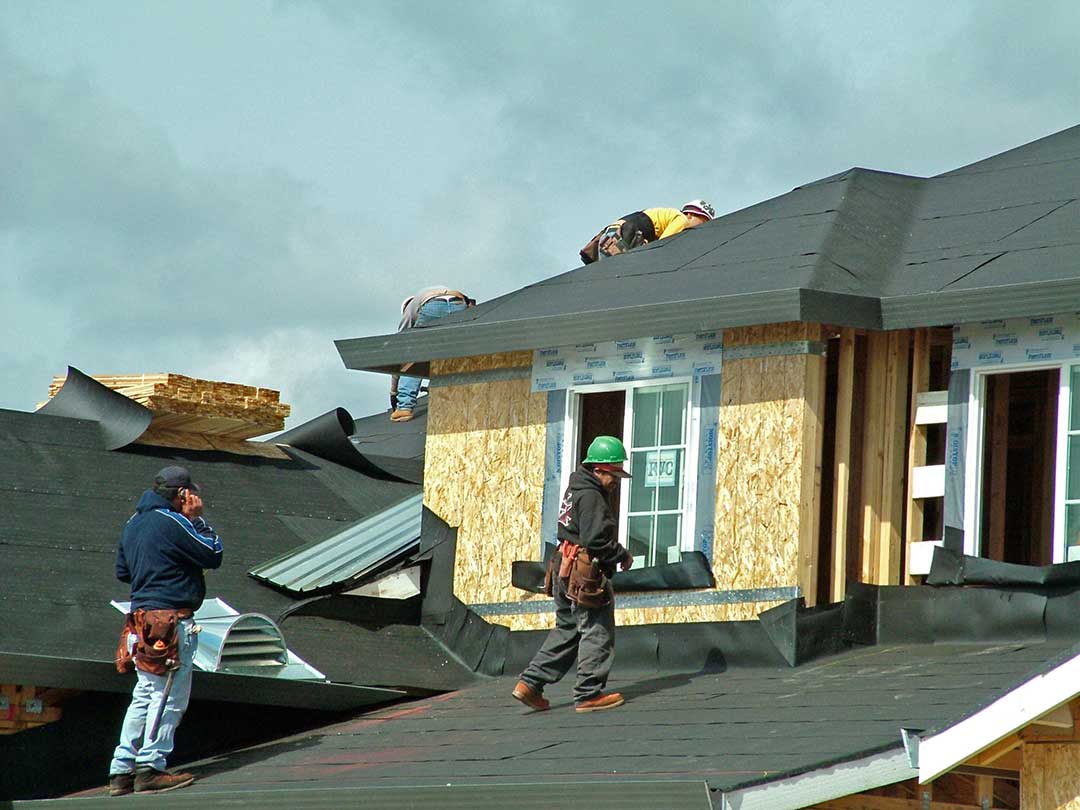
Homeowners may wrongly assume valleys are sound because shingle surfaces look intact, but small flashing faults can still allow hidden leaks, particularly in layered or woven-style valleys.
How Do Local Maintenance Habits Affect Valley Health?
In Albion, some common practices can unintentionally worsen valley problems:
- Using snow rakes too aggressively, which can tear shingles or flashing in the valleys
- Ignoring valley debris: leaves compressed in valleys encourage moss growth, which keeps shingles wetter for longer
- Power washing roof valleys, which can strip granules or dislodge flashing seams
Mindful, gentle clearing of valleys with a soft broom after storms or seasonal leaf drop can help reduce premature wear.
Why Does Valley Flashing Matter So Much?
The metal, rubber, or composite flashing used in valleys is a primary defense against water leaks. The way flashing is layered and secured is especially vital due to the city’s combination of multi-directional winds and freeze-thaw conditions, which can loosen fasteners over time. Look for these signs that flashing is compromised:
- Lifting, bending, or loose edges along valley seams
- Rust lines or green corrosion streaks on the metal
- Visible splits in the metal (from repeated freezing or impact)
Vigilant checking after temperature swings can help spot failures before annual spring rains arrive.
What Roofing Features Are Often Overlooked During Checks?
Many residents overlook vulnerable spots where valleys meet features like skylights, dormers, or roof-mounted antennas. Problems often arise at penetrations or seams where water naturally collects. Also, valleys at low roof pitches drain more slowly, increasing the risk of water backing up.
Shingles cut too close to the valley centerline or nails placed in the exposed part of the flashing are two installation shortcuts that can lead to early leaks — a detail sometimes visible from ground level if the valley is open and accessible.
When Is It Necessary to Seek Help for a Valley Issue?
Roof valleys can generally be assessed from a distance for visible warning signs, but severe sagging, large open gaps, or clear water intrusion (especially after storms or during spring thaw) require urgent attention due to the risk of structural damage or mold. Because valleys often concentrate both water and ice, localized damage can escalate faster than in other roof areas, particularly in homes with aging roofs or limited attic ventilation.
