
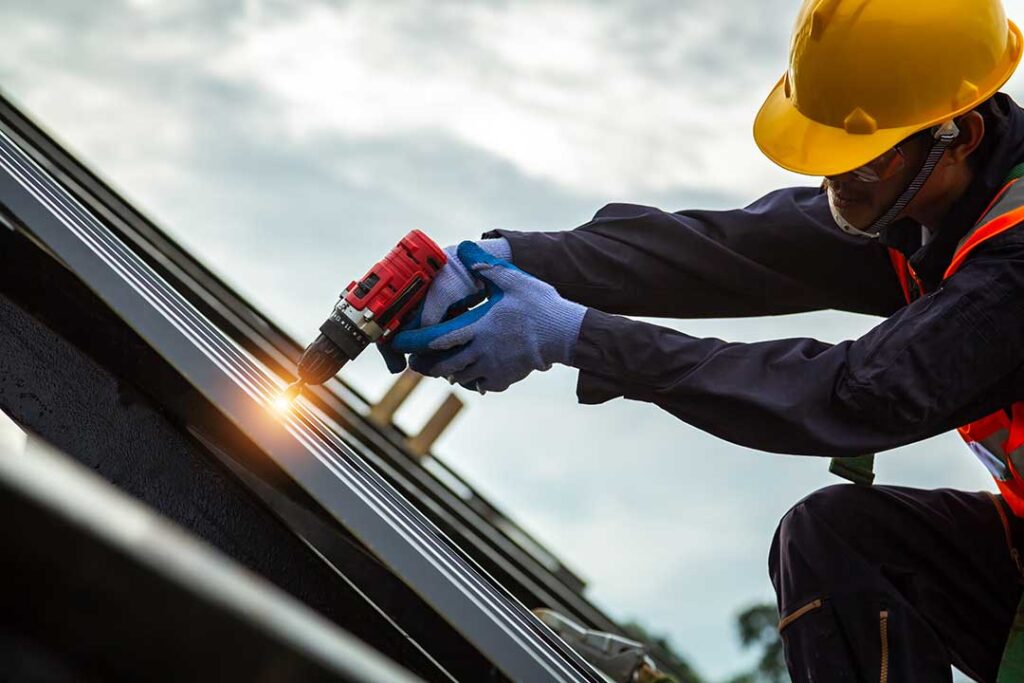
What Steps Are Involved in Replacing or Repairing a Roof?
Replacing or repairing a roof is a process that involves inspection, decision-making, preparation, and several hands-on stages. Most homes in Albion are likely to have asphalt shingles, but some also have metal or flat roofs, each with its own considerations. Knowing these steps helps area households set expectations, recognize what’s normal, and prepare for seasonal concerns unique to western New York.
Key stages in the roofing process typically include:
- Initial inspection and assessment
- Selecting materials suitable for local weather
- Planning the project schedule
- Removing the old roofing (tear-off)
- Repairs to the underlying roof deck if needed
- Installation of underlayment and flashing
- Applying the new roofing material
- Site cleanup and final inspection
How Do Weather and Seasons in Albion Affect Roofing Projects?
Rooftop work in this area is heavily influenced by local weather patterns. The region’s cold winters, potential for heavy snowfall, and humid summers shape everything from timing to material choice. Most roof projects are scheduled during spring, summer, or early fall to avoid dangerous ice and unpredictable storms.
For residents, this means:
- Delays may happen if rain or wind is in the forecast.
- Some tasks may be postponed by sudden cold snaps, especially in late fall.
- Material adhesives and sealants generally work best at moderate temperatures.
- Proper scheduling helps prevent water damage to open roof structures during a project.
What Should Residents Do to Prepare for a Roofing Project?
Preparing a home for roofing activity can reduce disruptions and protect property. Area homeowners might not realize how much noise and movement is involved, so a little planning goes a long way.
Consider these tips:
- Remove fragile items from walls or shelves—vibrations can cause them to fall.
- Move vehicles away from the driveway to allow access and protect from falling debris.
- Ensure pets and children are kept indoors or away from work areas for safety.
- Cover belongings in the attic to guard against dust or stray debris (especially in older homes with less insulation).
How Are Materials Chosen for Local Conditions?
Roofing materials are not all the same. In this climate, the priority is protecting against high winds, ice, and freeze-thaw cycles that can damage less durable options. Asphalt shingles are the most typical choice locally, valued for their balance of cost, durability, and suitability for varying weather.
Metal roofing, while less common, is recognized for shedding snow and resisting ice dams—an occasional issue in the area’s shaded neighborhoods. For flat or lower-slope roofs, rubber or membrane systems may be used.
Some overlooked factors in material choice:
- Attic ventilation to reduce ice dams
- Color: Lighter colors reflect sunlight, which can reduce heat buildup in summer, but dark shingles may help snow melt faster in winter
- Warranty length and coverage for wind or hail
What Happens During Roof Tear-Off and Deck Repair?
Once work begins, the old material is stripped away to expose the wood sheathing underneath. This exposes any hidden issues, like rotting boards or prior water damage. In Albion, where older homes are common, spotting and repairing these problems is crucial before installing new materials.
Typical repairs at this stage might include:
- Replacing sections of rotted wood
- Adding structural fasteners or clips to reinforce against wind
- Ensuring the deck is clean, dry, and smooth for optimal material adhesion
Why Is Underlayment and Flashing Installation So Important?
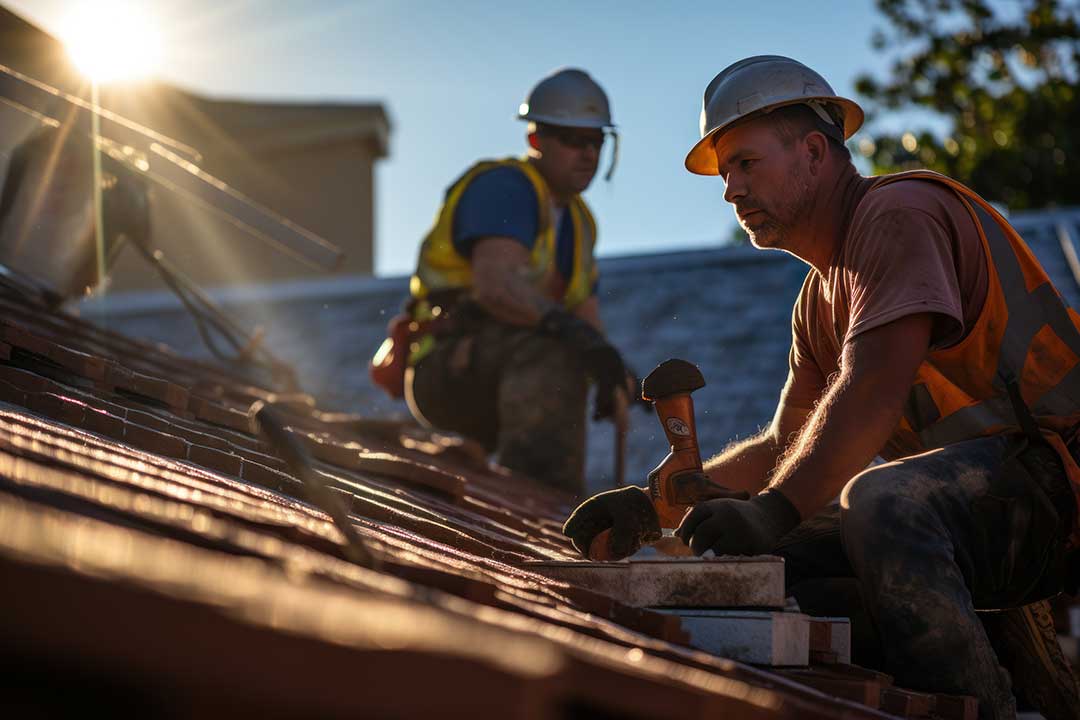
Underlayment is a protective layer that goes beneath shingles or metal; flashing is metal or rubber used to seal roof edges, valleys, and penetrations like chimneys. Together, they form the hidden defense against water leaks—especially important given the snow melt and spring rain typical in the area.
Proper installation ensures:
- Water cannot easily penetrate the seams, even if shingles are lifted by wind or ice
- Vulnerable areas around vents, skylights, and chimneys are protected
- The roof has backup defense even if a shingle is damaged
What Should Residents Expect During and After Installation?
Roof work means disruption, but knowing what’s normal makes it less stressful. Expect several days of increased noise and frequent movement around your property. Dumpsters, scaffolding, and materials may take up driveway or yard space temporarily.
After installation:
- The crew should remove debris, stray nails, and leftover material from yards and gardens
- Gutters will often be cleared as part of the cleanup
- A final inspection checks for missed spots or potential issues
Some local misconceptions are that all roofing projects create major messes, or that attic leaks are normal after replacement; neither should be true with careful process and weather-aware timing.
How Do Albion Regulations and Permits Factor In?
Roof work typically requires adherence to local building codes for safety and durability. While smaller repairs may not require official permits, full replacements or structural changes do. The city has guidelines on allowable roofing materials and installation methods, aiming to maintain neighborhood standards and safely manage stormwater runoff.
Residents planning their own repairs or replacements should:
- Confirm whether a permit is needed for the planned scope of work
- Follow guidelines for debris disposal and safety barriers during the project
- Make sure all work aligns with code if doing any hands-on involvement
When Should Professional Assistance Be Considered?
Many aspects of roofing can be handled with general home maintenance knowledge; however, safety is a critical concern. Roof slopes, heights, and unpredictable weather in Albion mean that falls, electrical hazards, or severe structural issues are real risks.
Professional help is essential if:
- The roof is steep or difficult to access safely
- There’s evidence of major structural damage
- Asbestos or other hazardous materials are present in older roofing layers
For anything more than minor shingle replacement or straightforward leak fixes, general safety and compliance with local codes are the main reasons to consider outside help.
